
After reading today's first post, I know some people are thinking, "What if it's not actually copying? What if two people independently come up with the same idea? After all, there are only so many ways to pose a horse. No one can own them all."
I get it. It's confusing.
But also, it's really not.
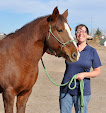
In this guest post, Liesl Dalpe explains how not to accidentally steal another artist's intellectual property. Thank you, Liesl, for taking the time to write this out. I know it will help a lot of people.
How Not to Accidentally Steal Intellectual Property
by Liesl Dalpe
After posting the video on VARA and intellectual property, I had a few people reach out with the honest question: how do I make sure I don't accidentally steal intellectual property, when we are looking at so many similar reference images? The answer is surprisingly straightforward.
1. Use source material. What do I mean by source material? It means use photos of actual horses, instead of sculpts or artwork of actual horses. Example: use a photo of a rearing mustang as reference instead of a sculpture of a rearing mustang. Even better-- go and shoot your OWN reference! There is nothing better than shooting your own imagery of the real thing.

2. What if you don't have access to the real thing? Then be sure the photos you are using are for reference only, and not as a direct replication. Use multiple photos. In sculpture, you'll need those anyway from different angles. In flat artwork, if you are working from a photo, if the photo is watermarked or has a copyright from a studio or specific person, reach out to that person to make sure it is alright to use that photo in reference. The beautiful thing about technology right now is that you can literally contact almost ANYONE through social media or their websites. Reaching out or calling to say "Hey, I am working on this painting/drawing/etc and would love to use your photos as the inspiration image. Is this ok?" Not only does this help connect artists to one another, but it also makes sure you have approval and consent.

3. Be aware of other artists creating in your genre. No one creates in a vacuum, and we ALL benefit from knowing one another. Know the body of works of your peers. And, if you find yourself poking your head up from your piece to realize it kind of looks like someone else's that already exists, it's time to stretch your brain and rethink a bit. Or, if your brain hurts and you don't know a good next step-- reach out to them! "Hey, I have been working on this and realized it kind of looks like your ____. This is my source imagery... I'd love to get your thoughts as I want to make sure its something different and special from yours." Communication is KEY. Sometimes people have similar ideas or are working from similar source material. Reaching out not only makes the original artist aware, but also if something comes up later now you have confirmation that it wasn't a copy and that both of you were ok moving forward. OR, in the change the original artist was like, "You know, I get what you're doing but it's treading dangerously close to being a copy of mine." Then you know and you can go back to really do something new and innovative. Odds are that original artist may have ideas as well.

4. Be honest with yourself and your clients. If a client comes to you wanting to replicate something that someone else created, tell them that you can't duplicate it, but that you can take that idea and come up with a new original take on it. If they push back, explain that you can't duplicate another artist's work because it's not ethically or legally right to do so. If they freak out because of that, let the original artist know someone is trying to get another artist to duplicate their work. We need to take care of each other's creative treasures.




 Posts
Posts


.png)


Liesl is wonderful. :) Even better said!
ReplyDelete